📋 Table of Contents
The Ultimate Guide to B2B Lead Generation Strategies for Unprecedented Growth

Introduction
In the highly competitive world of Business-to-Business (B2B) sales, generating high-quality leads isn't just an objective; it is the absolute lifeblood of your entire organization. A consistent and robust pipeline of qualified prospects is what separates stagnant companies from those experiencing exponential growth. As we move deeper into an era dominated by digital transformation, artificial intelligence, and hyper-personalized marketing, the traditional playbook for B2B lead generation has evolved drastically. Simply blasting cold emails and making thousands of cold calls is no longer sufficient. Today, buyers are more informed, more skeptical, and more demanding than ever before.
This comprehensive guide dives deep into the most effective B2B lead generation strategies available today. Whether you are a startup looking to land your first major enterprise client, or an established corporation aiming to scale your sales operations, the strategies outlined here will provide you with the blueprint for success. We will explore the multifaceted approach required to not only attract the attention of key decision-makers but to nurture them through a complex buying journey until they are ready to convert.
A successful B2B lead generation strategy is a harmonious blend of inbound and outbound tactics, content marketing, search engine optimization (SEO), social selling, and data-driven analytics. It requires a deep understanding of your Ideal Customer Profile (ICP) and the ability to deliver the right message, to the right person, at exactly the right time. Let's embark on this journey to master B2B lead generation and transform your sales pipeline.
Benefits of a Strong B2B Lead Generation Strategy
Implementing a meticulously crafted B2B lead generation strategy yields benefits that cascade across your entire organization, fundamentally altering your trajectory for success. The advantages extend far beyond simply having more names in your CRM system. Here is a detailed look at the transformative benefits:
- Predictable Revenue Growth: A structured lead generation engine provides a consistent flow of prospects, making sales forecasting highly accurate. When you know your conversion rates at each stage of the funnel, you can predictably scale your revenue by increasing your top-of-funnel activities.
- Higher Conversion Rates: By focusing on targeted strategies, you attract prospects who have a genuine need for your solution. These highly qualified leads are significantly easier for your sales team to close, dramatically improving your overall win rates and reducing the sales cycle length.
- Maximized Return on Investment (ROI): Ad-hoc marketing efforts often lead to wasted spend. A strategic approach ensures that every dollar invested—whether in content creation, paid advertising, or outbound outreach—is optimized for maximum return, lowering your Customer Acquisition Cost (CAC).
- Enhanced Brand Authority and Trust: Inbound lead generation strategies, such as producing high-quality content, thought leadership articles, and webinars, position your brand as an industry authority. When prospects view you as a trusted advisor rather than just a vendor, they are more likely to choose you over competitors.
- Improved Sales and Marketing Alignment: A formalized lead generation process necessitates clear definitions of what constitutes a Marketing Qualified Lead (MQL) and a Sales Qualified Lead (SQL). This fosters unprecedented alignment between your sales and marketing departments, breaking down silos and ensuring both teams work towards the same revenue goals.
- Scalability and Market Expansion: With a robust lead generation framework in place, expanding into new geographical markets or targeting new industry verticals becomes a systematic process rather than a shot in the dark.
Key Features of High-Converting B2B Lead Gen Campaigns
Not all lead generation campaigns are created equal. The most successful campaigns share several critical features that elevate them above the noise. To ensure your strategies yield the highest possible ROI, they must incorporate these foundational elements:
- Hyper-Targeted Ideal Customer Profiles (ICPs): The cornerstone of any successful campaign is knowing exactly who you are targeting. High-converting campaigns rely on detailed ICPs and buyer personas, encompassing demographic data, firmographic data, behavioral insights, and specific pain points.
- Omnichannel Orchestration: Relying on a single channel is a recipe for failure. The best campaigns seamlessly integrate email marketing, LinkedIn outreach, content syndication, SEO, and targeted account-based marketing (ABM) ads to surround the prospect with a cohesive message.
- Value-Driven Lead Magnets: Prospects will not hand over their contact information for nothing. High-converting campaigns offer exceptional value in exchange for data. This includes comprehensive whitepapers, proprietary industry research reports, interactive ROI calculators, and exclusive webinars.
- Automated Nurturing Workflows: Generating a lead is only the first step. Effective campaigns utilize sophisticated marketing automation platforms to deliver personalized, behavior-triggered email sequences that nurture prospects along the buyer's journey until they are sales-ready.
- Robust Data Hygiene and Enrichment: A campaign is only as good as its data. Top-tier lead generation features continuous data cleansing and enrichment, ensuring that sales reps spend their time selling to accurate contacts rather than dealing with bounced emails and disconnected phone numbers.
- Advanced Analytics and Attribution: You cannot optimize what you cannot measure. Successful campaigns employ advanced attribution models to understand exactly which touchpoints drive conversions, allowing for agile budget reallocation and continuous improvement.
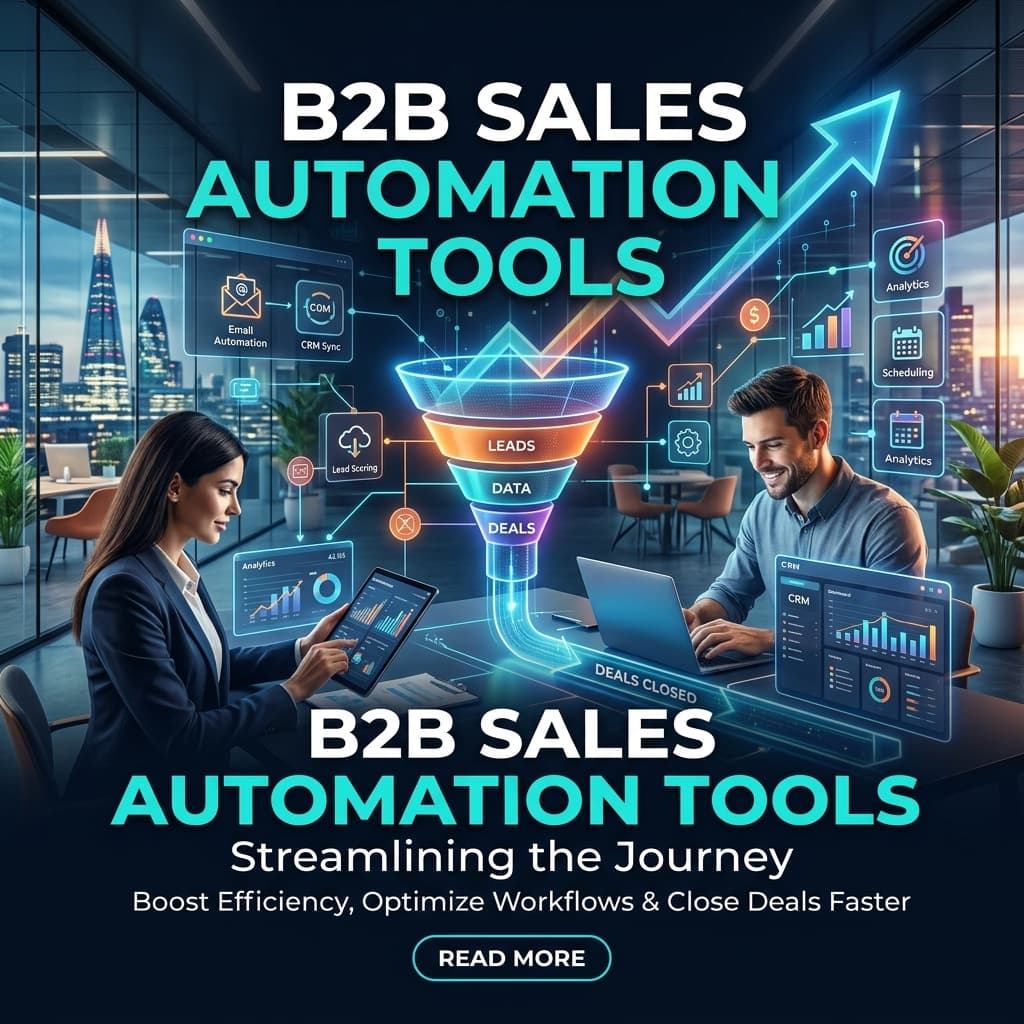
How It Works: The Modern B2B Lead Generation Funnel
Understanding the mechanics of B2B lead generation requires mapping out the modern B2B funnel. Unlike B2C transactions, B2B purchases typically involve multiple decision-makers, longer sales cycles, and a significant educational component. Here is how a high-performing lead generation engine operates:
Phase 1: Attraction and Awareness (Top of Funnel - TOFU)
The process begins by capturing the attention of your target audience. At this stage, prospects are experiencing a problem but may not fully understand it or know that a solution exists. Strategies here include SEO-optimized blog posts, engaging social media content (particularly on LinkedIn), programmatic advertising, and public relations. The goal is to drive highly targeted traffic to your digital properties.
Phase 2: Capture and Conversion (Middle of Funnel - MOFU)
Once you have attracted visitors, the objective shifts to converting them into known leads. This is achieved through the strategic deployment of lead magnets gated behind landing pages. When a visitor downloads an ebook or registers for a webinar by providing their email address, they officially enter your funnel as a lead. This phase relies heavily on conversion rate optimization (CRO) and compelling copywriting.
Phase 3: Nurturing and Qualification
Not every captured lead is ready to buy immediately. In fact, most are not. The nurturing phase uses marketing automation to send a series of relevant, educational emails designed to build trust and move the prospect further down the funnel. Simultaneously, lead scoring algorithms track the prospect's engagement (e.g., website visits, email opens, webinar attendance) to determine when they have crossed the threshold from a Marketing Qualified Lead (MQL) to a Sales Qualified Lead (SQL).
Phase 4: Sales Handoff and Closing (Bottom of Funnel - BOFU)
When a lead is deemed highly qualified and exhibits buying intent, they are seamlessly handed off to the sales team. The sales representatives, armed with the contextual data gathered during the nurturing phase, can now engage in highly personalized conversations, conduct product demonstrations, negotiate terms, and ultimately close the deal. The marketing team continues to support this phase with enablement materials like case studies and ROI justifications.
Real-World Examples of Successful B2B Lead Generation
To truly grasp the power of these strategies, let's examine practical examples of how top-tier organizations implement them:
Example 1: The Account-Based Marketing (ABM) Masterclass
A highly specialized SaaS company targeting Fortune 500 HR departments abandoned broad marketing in favor of ABM. They identified 100 high-value target accounts. They then created hyper-personalized content hubs for each specific account. They ran targeted LinkedIn ads specifically to decision-makers within those 100 companies, directing them to their personalized hubs. The sales team followed up with bespoke video messages referencing the specific challenges of that enterprise. The result was a massive increase in engagement from C-level executives and a 40% increase in average deal size.
Example 2: The Data-Driven Content Engine
A B2B logistics firm struggled to differentiate itself. They decided to leverage their massive internal dataset to publish an annual "State of Global Supply Chain" report. This comprehensive, highly authoritative report was gated. They promoted it heavily via SEO, industry partnerships, and PR. The report became a must-read in the industry, generating thousands of high-quality MQLs from logistics directors and COOs who were actively seeking solutions to the exact problems highlighted in the report.
Example 3: Interactive Tool Lead Generation
A cybersecurity company created a free, interactive "Vulnerability Assessment Calculator." IT professionals could input basic details about their network infrastructure and receive an instant, high-level risk score, along with a recommendation to speak with a consultant for a detailed audit. This interactive tool provided immediate value and converted website visitors into highly qualified leads at a rate 5x higher than their standard static contact forms.
Industry Use Cases
B2B lead generation strategies must be tailored to the specific nuances of different industries. Here is how these strategies apply across various sectors:
Software as a Service (SaaS)
In the SaaS industry, lead generation heavily relies on free trials, freemium models, and product-led growth (PLG). Content marketing focuses on highly technical documentation, API use cases, and integrations. Webinars demonstrating product features and ROI are critical for moving leads through the funnel.
Manufacturing and Industrial
Lead generation in manufacturing often involves long sales cycles and high-ticket items. Strategies focus on highly detailed technical specifications, CAD model downloads, and virtual facility tours. Trade shows remain important, but digital strategies like targeted LinkedIn campaigns aimed at procurement managers and operations directors are increasingly dominant.
Professional Services (Consulting, Legal, Financial)
Trust and authority are the primary currencies in professional services. Lead generation is heavily dependent on thought leadership. Publishing in-depth whitepapers on regulatory changes, hosting exclusive executive roundtables, and leveraging the personal brands of senior partners on LinkedIn are the most effective strategies for capturing high-value clients.
Healthcare Technology
Selling to hospitals and clinics requires navigating complex compliance (like HIPAA) and multiple stakeholder committees. Lead generation strategies here focus on clinical validation, peer-reviewed case studies, and highly targeted ABM campaigns directed at hospital administrators, IT directors, and chief medical officers.
Common Mistakes to Avoid in B2B Lead Generation
Even well-funded campaigns can fail if they fall into common traps. Avoid these critical errors to ensure your lead generation engine operates at peak efficiency:
- Failing to Define the ICP Clearly: Casting too wide a net is the most common mistake. If your marketing message tries to appeal to everyone, it will resonate with no one. A vaguely defined ICP leads to wasted ad spend and a pipeline full of unqualified leads that frustrate the sales team.
- Neglecting Lead Nurturing: Many companies focus entirely on generating the lead and immediately hand it over to sales. However, if a lead downloaded a top-of-funnel ebook, they are rarely ready for a sales pitch. Failing to implement automated nurturing sequences results in lost opportunities and a burnt-out sales team.
- Gating All Content: While gating high-value content (like extensive reports) is essential for lead capture, gating everything creates unnecessary friction. Your educational blog posts, basic infographics, and introductory videos should be freely accessible to build trust and SEO authority.
- Ignoring Data Quality: Buying cheap, outdated lead lists or failing to regularly clean your CRM data leads to high bounce rates, low deliverability, and damaged sender reputations. Poor data quality is the silent killer of outbound B2B campaigns.
- Lack of Sales and Marketing Alignment: If marketing considers a lead "qualified" simply because they opened an email, but sales expects leads to have an approved budget, friction is inevitable. Both teams must agree on the definition of an MQL and SQL, and establish a clear Service Level Agreement (SLA) for lead follow-up.
Best Practices for 2026 and Beyond
The landscape of B2B lead generation is constantly shifting. To stay ahead of the curve, organizations must adopt the following forward-looking best practices:
- Leverage Artificial Intelligence (AI) for Personalization: AI is revolutionizing lead generation. Use AI tools to analyze prospect data, predict buying intent, and automatically generate hyper-personalized email copy and dynamic website content tailored to individual visitors.
- Prioritize Video Content: Video is no longer optional; it is essential. From short-form educational videos on LinkedIn to personalized video messages sent by sales reps via tools like Loom, video drastically increases engagement rates and humanizes your brand.
- Embrace Omnichannel ABM: Account-Based Marketing will continue to dominate B2B strategies. Move beyond just targeted emails and integrate personalized direct mail, highly specific targeted advertising, and bespoke virtual events to surround your key accounts.
- Optimize for Voice Search and Conversational AI: As buyers increasingly use voice assistants and AI chat interfaces to conduct initial research, ensure your content strategy directly answers the long-tail conversational questions your prospects are asking.
- Focus on Intent Data: Do not just track what prospects do on your website; use third-party intent data platforms to identify which companies in your target market are actively researching solutions like yours across the broader web, allowing you to engage them before they even visit your site.
Frequently Asked Questions (FAQs)
1. What is B2B lead generation?
B2B lead generation is the systematic process of identifying, attracting, and capturing the interest of other businesses (prospects) who have a potential need for your products or services, with the ultimate goal of converting them into paying customers.
2. What is the difference between B2B and B2C lead generation?
B2C (Business-to-Consumer) targets individual shoppers, often relying on emotional appeals and quick sales cycles. B2B (Business-to-Business) targets decision-makers within companies, involving longer sales cycles, multiple stakeholders, higher price points, and a focus on logic, ROI, and relationship building.
3. What is a Marketing Qualified Lead (MQL)?
An MQL is a lead who has engaged with your marketing efforts (e.g., downloaded an ebook, repeatedly visited your pricing page) and exhibits characteristics indicating they are more likely to become a customer than other leads, but they are not yet ready to speak with sales.
4. What is a Sales Qualified Lead (SQL)?
An SQL is a prospective customer who has been researched and vetted by both marketing and sales, and has been deemed ready for a direct sales conversation. They typically have a confirmed need, budget, and purchasing authority.
5. How effective is cold emailing for B2B lead generation?
Cold emailing can be highly effective, but only if it is highly targeted, personalized, and value-driven. Generic, mass-blasted cold emails have extremely low success rates and can damage your brand reputation. Success requires deep research and compelling copywriting.
6. What role does SEO play in B2B lead generation?
SEO is critical for inbound B2B lead generation. By optimizing your website and content for the search terms your prospects use when researching their problems, you ensure that your brand appears at the exact moment they are looking for solutions, driving high-intent organic traffic.
7. Is LinkedIn a good platform for generating B2B leads?
LinkedIn is arguably the most powerful social platform for B2B lead generation. It allows you to target individuals based on their job title, industry, company size, and professional interests, making it ideal for both targeted advertising and direct social selling outreach.
8. How much should a B2B lead cost?
Cost Per Lead (CPL) varies wildly depending on the industry, target audience seniority, and the channel used. A lead for a $50/month SaaS product might cost $20, while a lead for a $500,000 enterprise software solution might cost thousands of dollars. The focus should be on Return on Investment (ROI) and Customer Acquisition Cost (CAC) rather than just CPL.
9. What is lead scoring?
Lead scoring is a methodology used by sales and marketing departments to rank prospects against a scale that represents the perceived value each lead represents to the organization. It assigns point values based on attributes (job title, company size) and behaviors (website visits, email clicks) to prioritize outreach.
10. What is Account-Based Marketing (ABM)?
ABM is a highly focused business strategy in which a marketing team treats an individual prospect account like its very own market. Instead of casting a wide net, marketing and sales teams collaborate to create personalized buying experiences for a mutually identified set of high-value target accounts.
11. How long does a typical B2B lead generation campaign take to show results?
Inbound strategies like SEO and content marketing typically take 3 to 6 months to start showing significant organic traction. Outbound strategies like targeted cold email or LinkedIn ads can generate leads much faster, often within weeks, provided the targeting and messaging are accurate.
Why Choose AICLEX for Your B2B Lead Generation?
Navigating the complex landscape of B2B lead generation requires specialized expertise, cutting-edge technology, and a proven track record. This is where AICLEX steps in. We are not just another digital marketing agency; we are your strategic partner for explosive pipeline growth.
At AICLEX, we combine deep industry knowledge with advanced data analytics and AI-driven automation to construct lead generation engines that consistently deliver high-quality, sales-ready prospects. Our approach is holistic and tailored entirely to your specific business objectives.
- Data-Obsessed Approach: We don't rely on guesswork. Every campaign we build is rooted in rigorous data analysis, ensuring we target the exact decision-makers who need your solution right now.
- End-to-End Execution: From developing your comprehensive strategy and creating compelling content to managing complex ABM campaigns and optimizing your marketing automation, we handle the entire process.
- Focus on Revenue, Not Just Leads: We understand that generating a thousand unqualified leads is useless. Our metrics for success are aligned with yours: closed-won deals and revenue growth. We focus relentlessly on lead quality and conversion rates.
- Expert Team: Our team consists of seasoned B2B marketing strategists, world-class copywriters, technical SEO experts, and conversion rate optimization specialists who work in harmony to elevate your brand.
Choosing AICLEX means choosing predictability, scalability, and an unwavering commitment to your success in the competitive B2B marketplace.
Ready to Dominate Your Market?
Stop settling for a sluggish pipeline and inconsistent sales cycles. Partner with AICLEX to implement a world-class B2B lead generation strategy that drives predictable, scalable revenue.
Schedule Your Free Strategy Session TodayNeed Official Zoom Licenses in India?
Buy Zoom License in India, AICLEX™ Official Zoom Reseller